A Trillion-Dollar Company and a $687 Vial: My Conversation with Eli Lilly
12 Jan 2026, 8:02 p.m. in #insulin4all USA by Molly King


This blog is a personal story from Molly King, a person living with type 1 diabetes and T1International’s Indiana #insulin4all Chapter co-lead. Molly reflects on her experience rationing insulin and being hospitalized, and she describes a recent conversation with an Eli Lilly executive about insulin pricing. Her story highlights the ongoing reality of insulin rationing, the impact of high list prices, and why T1International remains independent from pharmaceutical company funding while advocating for affordable insulin for everyone, everywhere.
I am a hardworking Hoosier, and I live just 57 miles west of Eli Lilly’s Indianapolis headquarters in Indiana in the United States. In 2017, I spent a week in the intensive care unit of the hospital because I rationed my insulin. I was five years into a my life-long type 1 diabetes diagnosis. Although I was working full-time as a pastor, I rationed because I could not afford the cost of my insulin along with the costs of my housing and groceries. That experience– losing consciousness for days with a glucose level of 1,200 mg/dL at emergency room intake– was traumatic and entirely preventable. No one should ever end up in the hospital simply because they cannot afford the insulin that keeps them alive. I woke up with the resolve to understand the situation I found myself in and to do everything in my power to make sure no one else goes through the same thing.
This fall, the New York Times published an article titled “Eli Lilly Reaches $1 Trillion in Value, Buoyed by Demand for Its Weight Loss Drug.” My story reflected the reality I have faced that so many continue to face: while pharmaceutical companies reach historic valuations, people living with diabetes are still forced to make impossible choices.
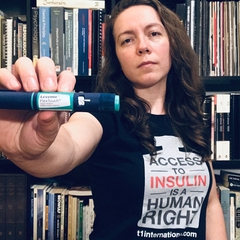
Access to insulin is a human right. But insulin rationing has shaped my life. I know what it feels like to stretch a vial, to fear the next pharmacy visit, alter eating habits in order to not use as much insulin, and to hold my breath when the cashier says the price out loud. My list price in December 2025 was $687 for a single vial. I know the fear of wondering whether I can afford to stay alive.
After the article was published, I connected with a Lilly representative. That led to a meeting on December 22, 2025, with a Vice President at Eli Lilly. I went into the conversation with equal parts hope and skepticism. I wanted to believe that someone from a company valued at more than one trillion dollars would be willing to talk honestly about why so many of us still cannot afford insulin.
The conversation went about how I expected. I heard disappointment that people cannot afford their medications, followed quickly by explanations that placed responsibility elsewhere: pharmacy benefit managers, insurance companies, and the broader system.
When I asked directly why Lilly does not simply lower the list price of insulin for everyone, I was told it was not possible because of manufacturing costs. The executive said that the published manufacturing costs of only a few dollars a month were “grossly underestimated” but he wouldn’t share the real numbers.
We discussed the difference between insurance copay caps and true list price reductions. At T1International, we advocate for list price caps because copay programs still exclude many people: those without insurance, people navigating complicated eligibility rules, and people who never hear about the programs at all. A coupon that is hard to find is not the same thing as affordable insulin for everyone.
At one point we discussed donations to diabetes nonprofits. He was proud of those contributions. I shared that manufacturer-sponsored cost-sharing programs are not a replacement for good pricing policies. If we are all aligned on wanting people to afford their medication, why have we not seen bold, permanent reductions in list prices instead of temporary or conditional assistance? In the meeting, Lilly’s patient assistance programs were emphasized countless times as evidence that help exists, even as I shared thattheir much-publicized $35 copay cap was not automatically applied to my own prescriptions.
Throughout our conversation, I saw a deep reluctance to acknowledge the power and profit that exist when just a few companies control most of the world’s insulin supply.
My experience in that intensive care unit at the hospital changed me. And my conversation with Lilly confirmed what I already knew: We deserve a world where no one has to ration, especially while a trillion-dollar company continues to profit. We deserve transparency, accountability, and insulin that is affordable at the point of sale for everyone. With T1International, I am part of a community that refuses pharmaceutical money so that we can speak the full truth and organize for real change alongside people living with diabetes all over the world.
I left the conversation with Lilly still without answers, but not without resolve. We know what is possible. We know what justice looks like. And we will keep fighting until no one’s life depends on the size of a bill at the pharmacy counter.
Related posts: