Education and Ending Discrimination
Rights of people living with diabetes
People with diabetes are too often denied the basic right to health. Many do not know that international law already protects them. These resources lays out exactly what those rights are and where they come from, so advocates can point to real legal standards when they push for change.
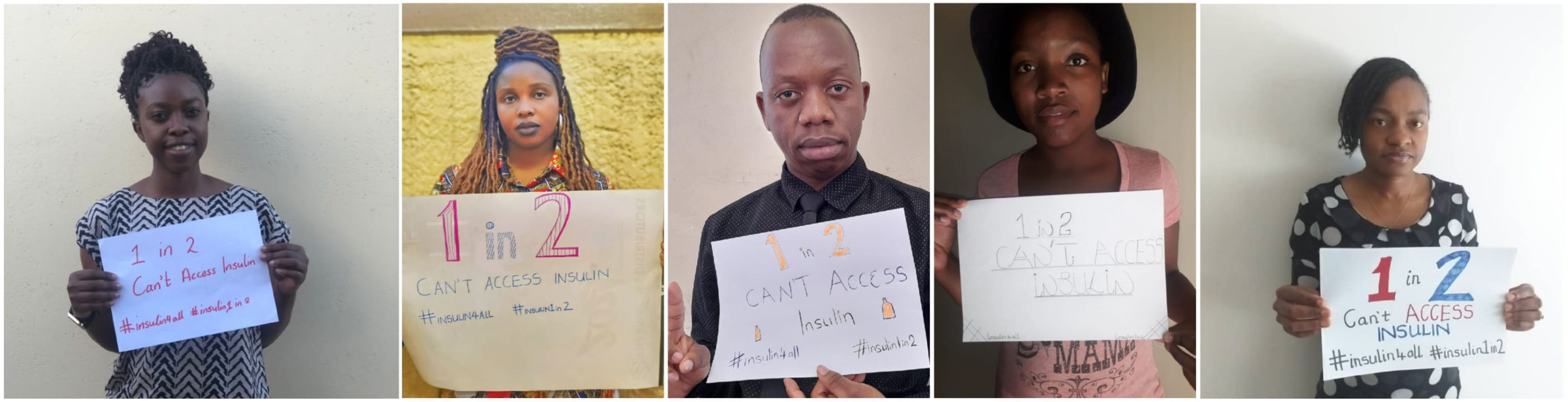
T1International believes in #insulin4all. That means every person with diabetes has the right to insulin, supplies, education, healthcare, and proper treatment.
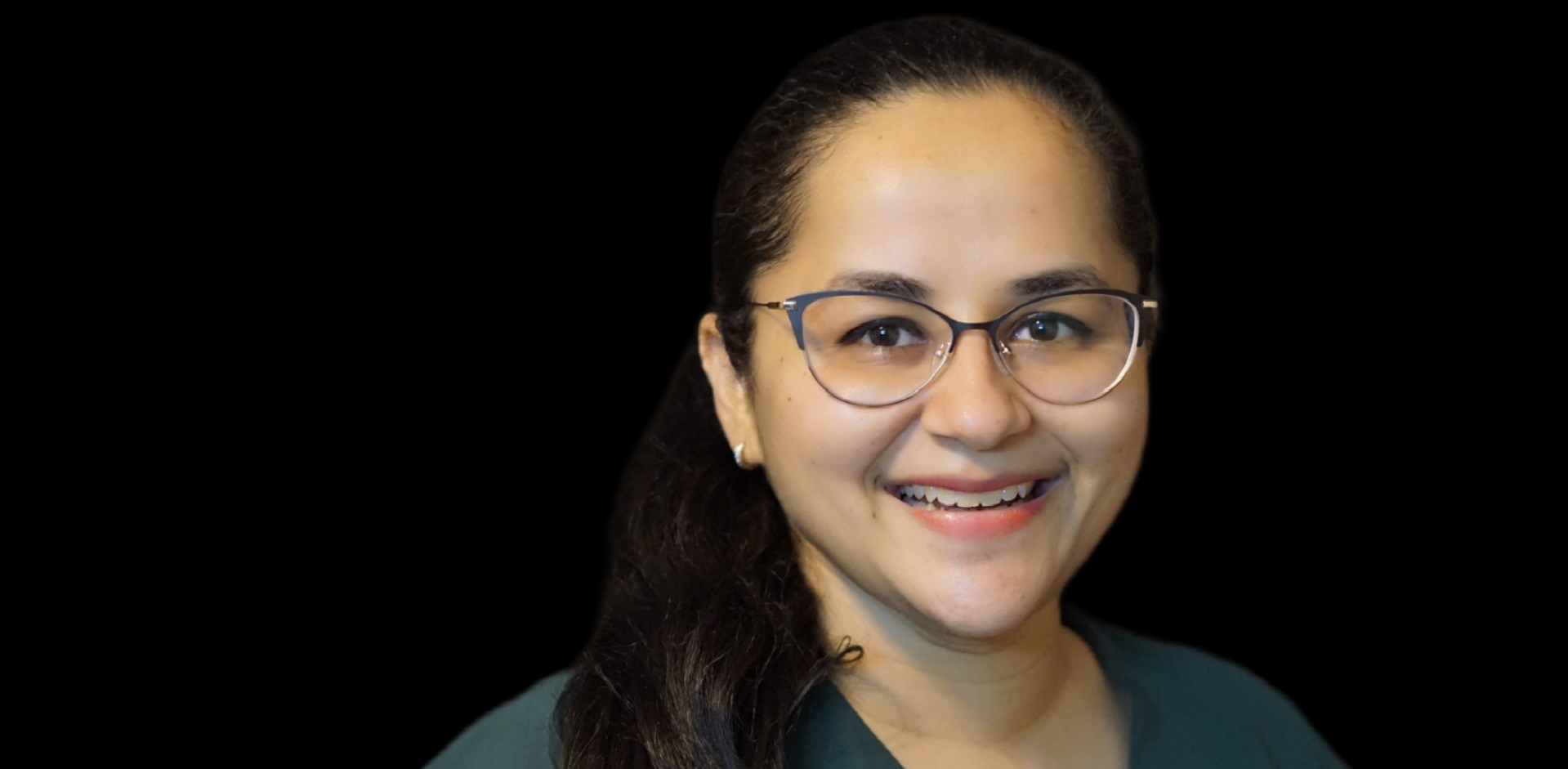
I did a lot of hard work to get a secure job, studied day and night for it… I got the joining letter, and that’s the point where all the happiness turned into sadness because they mentioned a clause the type 1 diabetics were unfit for that role.
India#insulin4all advocate
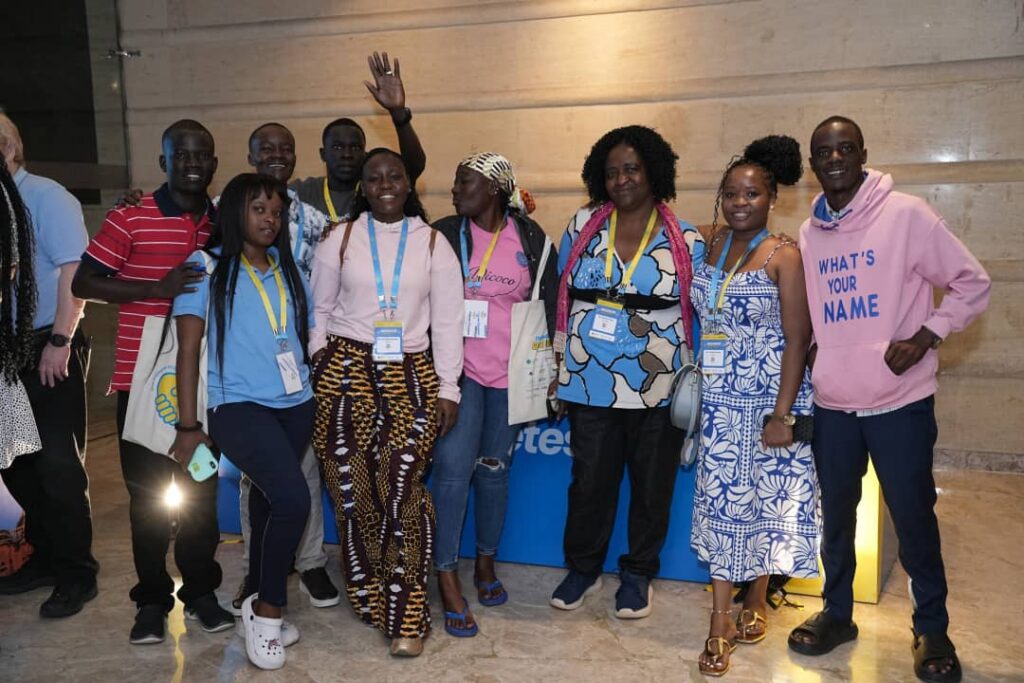
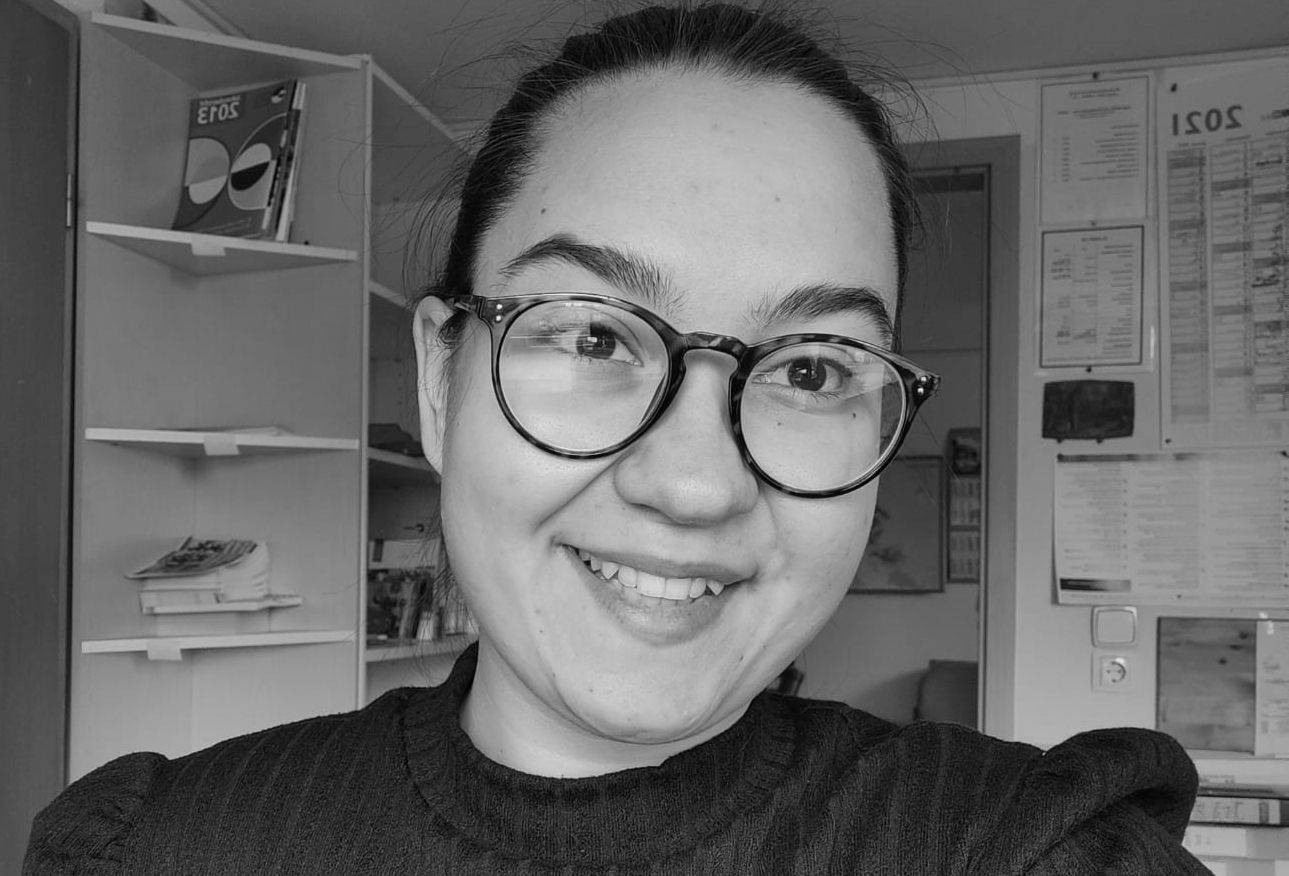
photo is of Apoorva with advocates on our blog
Rights for People with Diabetes.
These rights are backed by major global institutions:
1. The World Health Organization (WHO) recognizes health as a basic human right for every person, and lists insulin as an essential medicine.
2. The World Trade Organization (WTO) affirms that public health must come before patent rights and corporate profit.
3. The United Nations Sustainable Development Goals commit the world to universal health coverage and access to affordable medicine for all.
4. International human rights treaties, including the Universal Declaration of Human Rights and the International Covenant on Economic, Social, and Cultural Rights, recognize health care as a right owed to everyone, free from discrimination.
Use this resource, published in 2016, to stand up for the rights of people with diabetes in your community, your country, and the world.
An estimated 4.1 million people should be alive today with type 1 diabetes and are not because of lack of appropriate medicine, tools, and care.
The Rights of the Child Living with Type 1 Diabetes
Children with diabetes have their own set of protections under the United Nations Convention on the Rights of the Child (UNCROC), adopted in 1989. Every child deserves the chance to grow up healthy, supported, and free from discrimination because of their condition.
Children and families living with diabetes around the world consistently ask for the same things: affordable access to medicine and equipment, more education and research, good quality healthcare for every child, family support groups, and financial support for families struggling to make ends meet.
These resources were published in 2016
Access Charter
You can use this charter in your advocacy by:
Approximately one in nine adults worldwide, 589 million people, are living with diabetes. Four in five of these adults with diabetes live in low- and middle-income countries.
The Charter and letter are available in 11 languages:
Type 1 Diabetes Education Guide
T1International started as a type 1 diabetes organization. Learning about type 1 diabetes can feel confusing and overwhelming, especially right after a diagnosis. People with diabetes and their families deserve clear, trustworthy information they can actually understand. With input from medical professionals and people living with diabetes around the world, we built a guide that explains the basics in plain language.
The guide, published in 2019 has six sections:
Toolkits, Trainings, and Other Resources


Around the world, about 9.5 million people live with type 1 diabetes.
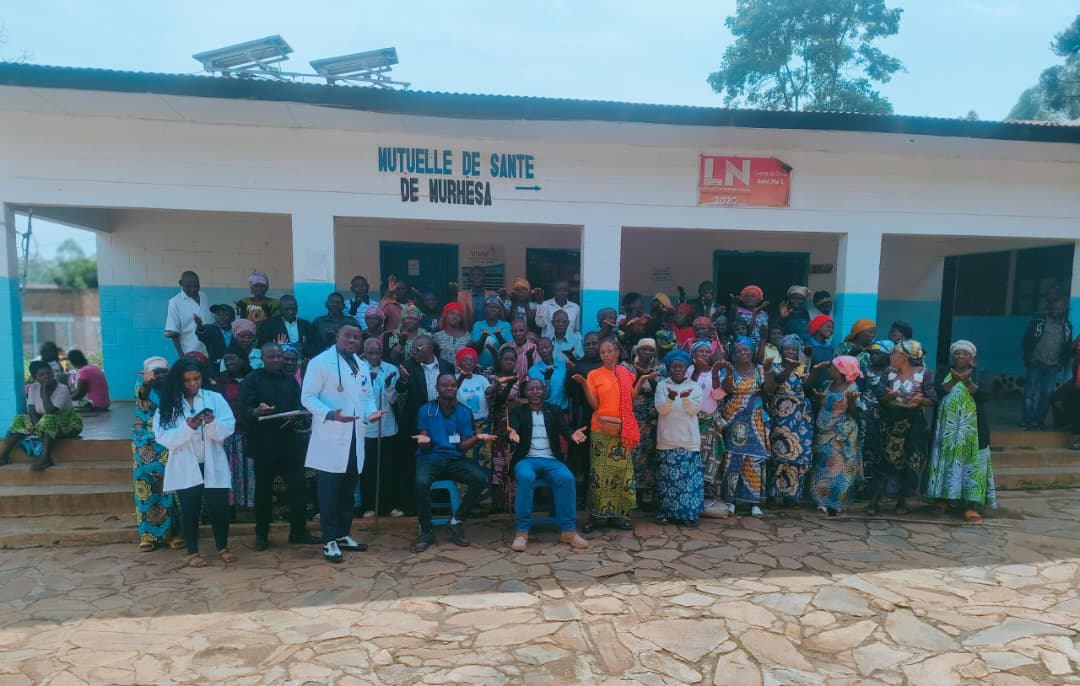
Education and Ending Discrimination on our Blog

Take Action
Share your story of how your life has been impacted by stigma and discrimination.