

Mental Health
Living with diabetes takes a toll; the mental weight of rationing insulin, fighting insurance denials, and never getting a break from a condition that demands constant attention creates real psychological harm. Our community survey found that 97% of people with diabetes experience burnout at some point. Yet 62% are not seeking any support from friends, family, or mental health professionals, and fewer than a quarter feel comfortable even talking to their own doctor about it. The less access someone has to insulin and supplies, the worse that burnout gets. This is not a personal failing. It is a predictable consequence of a system that treats life-saving medication as a commodity.
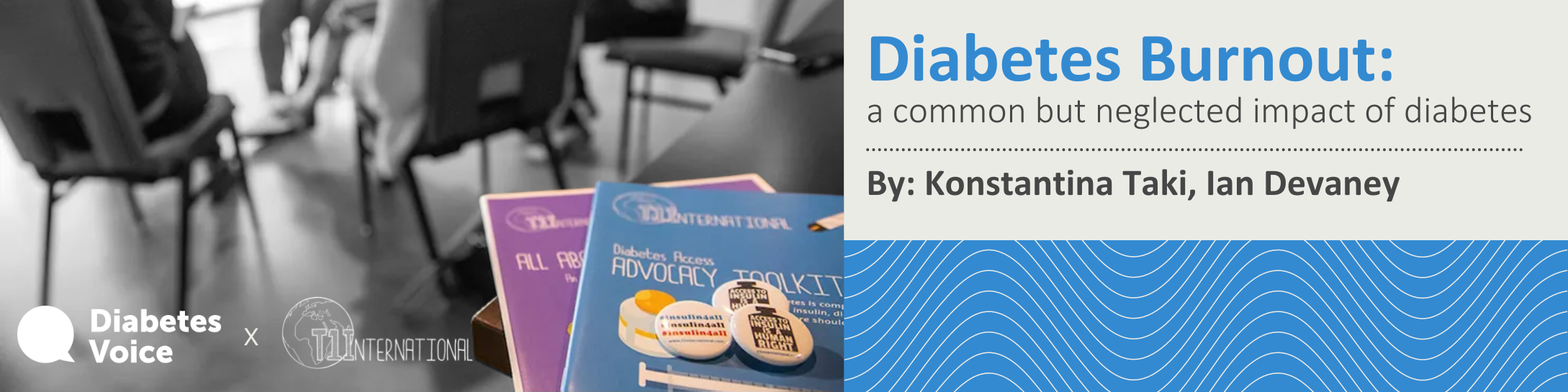
T1International has documented these realities through community research on diabetes burnout and firsthand accounts from advocates navigating burnout while fighting for change. What the data makes clear is that mental health support cannot be separated from the structural conditions that cause distress in the first place. Grief, fear, and exhaustion are rational responses to a broken system, and they deserve to be named as such, not medicalized away from their root causes.
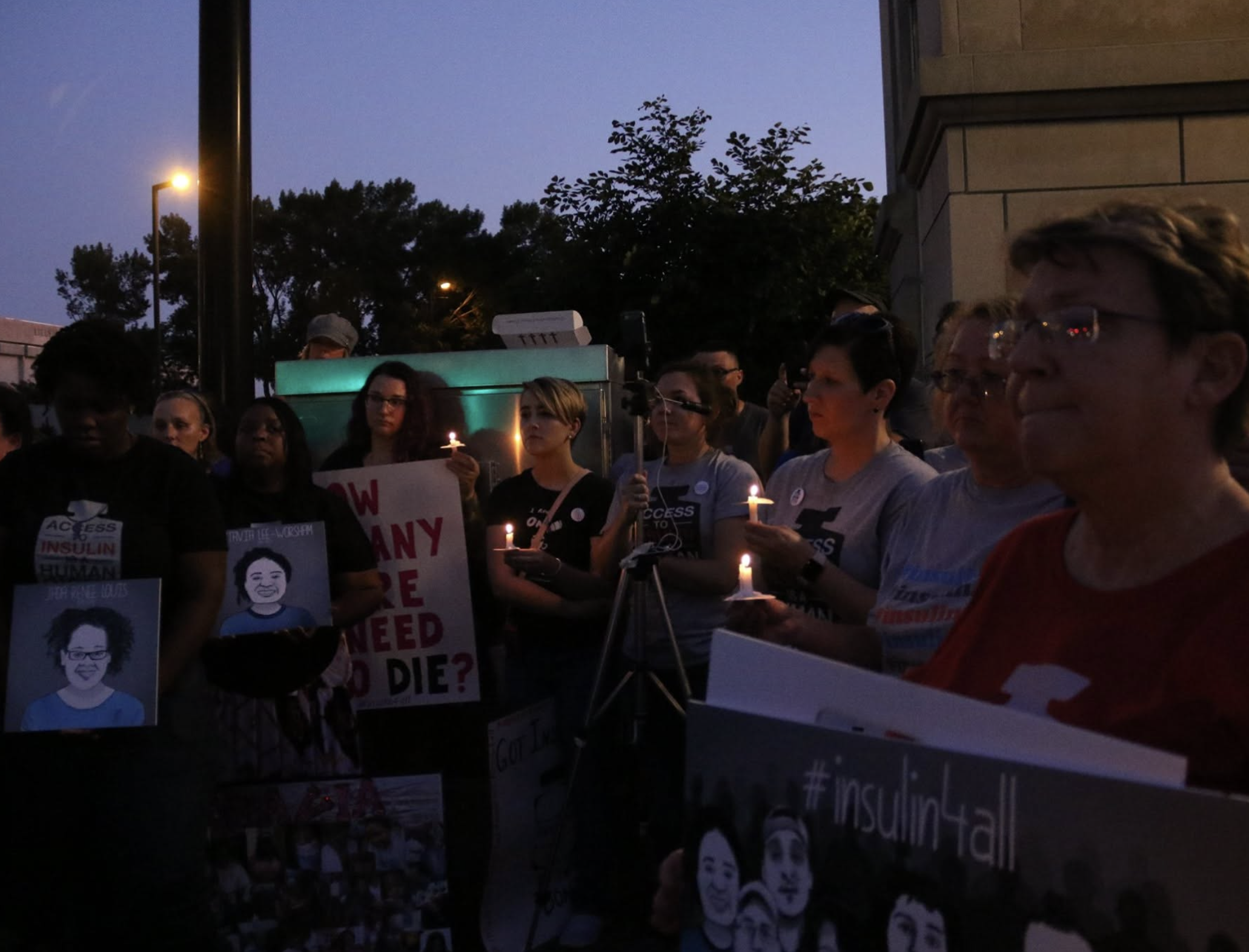
For people who have lost someone to insulin rationing or a gap in care, Families United for Affordable Insulin offers peer grief support from others who understand that loss in a way most of the world does not. For the broader community, our global network of advocates and chapters is a place where the emotional reality of living with diabetes is taken seriously, and where that reality gets turned into the kind of collective action that actually changes things.
97.1% of survey respondents reported diabetes burnout
Toolkits, Trainings, and Other Resources

The feeling of this supporting community gives me hope, and makes me feel less lonely in my diabetes journey
#insulin4all Advocate from Greece


Mental Health News on Our Blog

Take Action
Share your story of accessing mental health care with diabetes.