
Alec’s Law and Emergency Access to Insulin
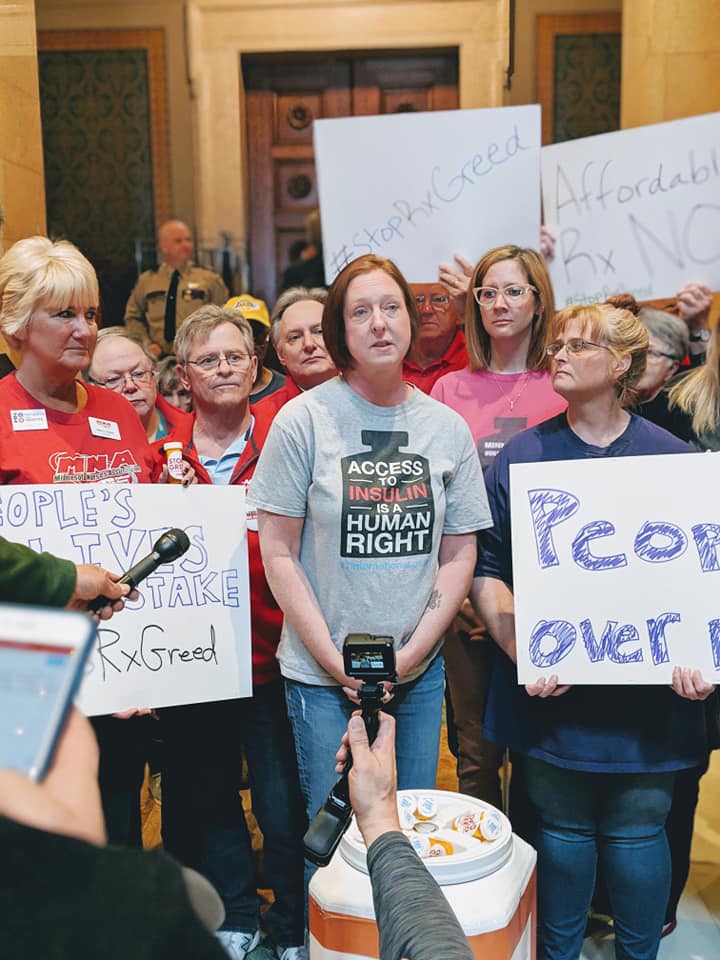
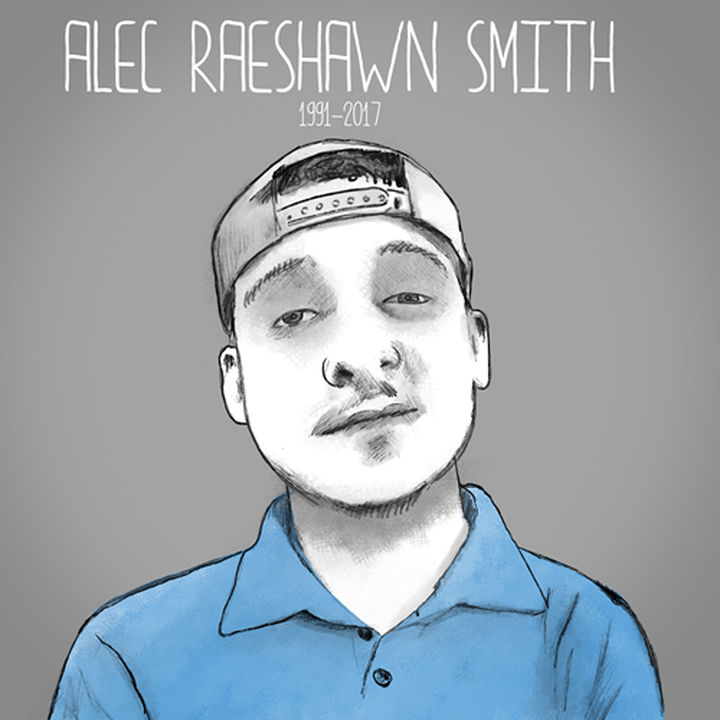
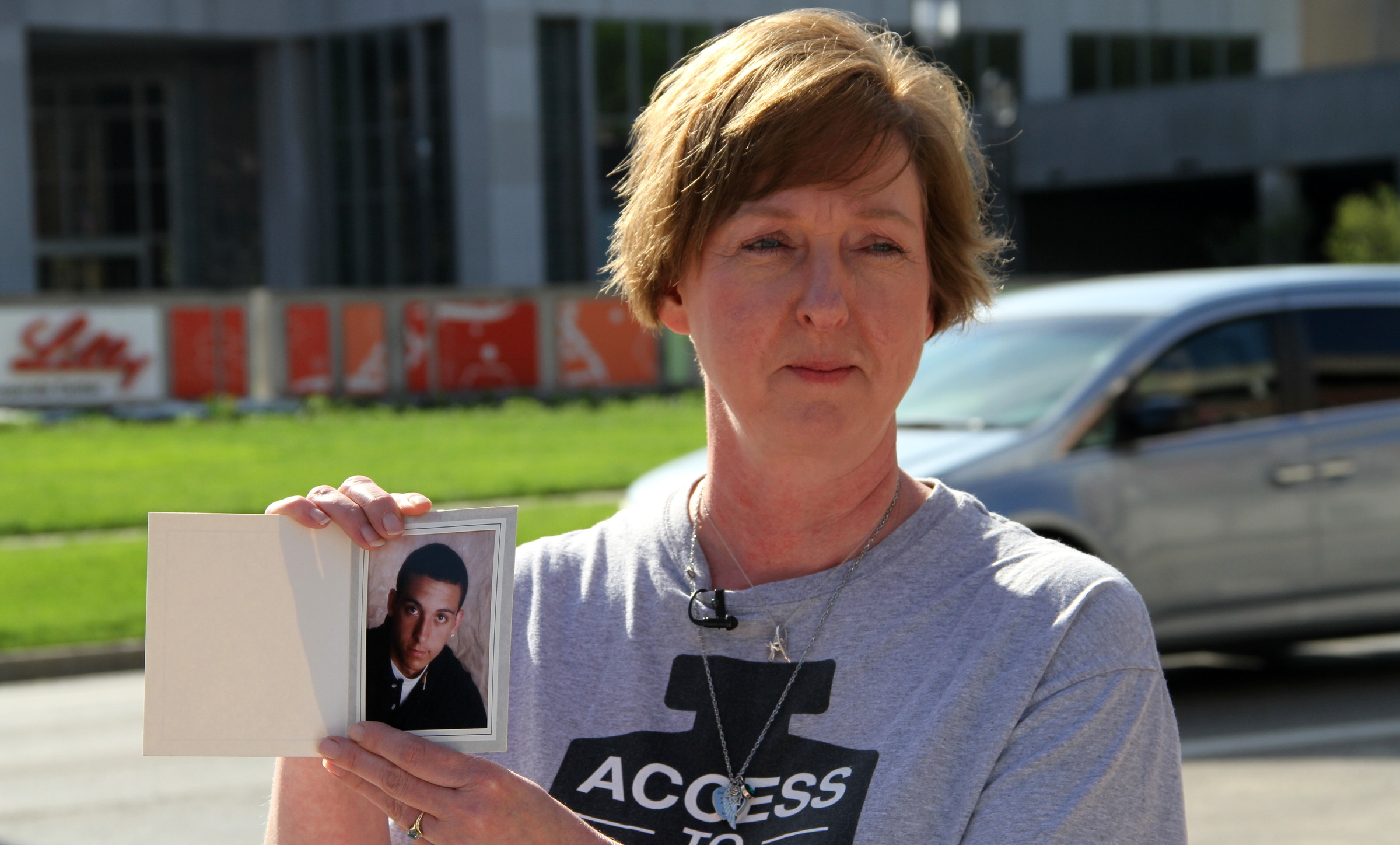
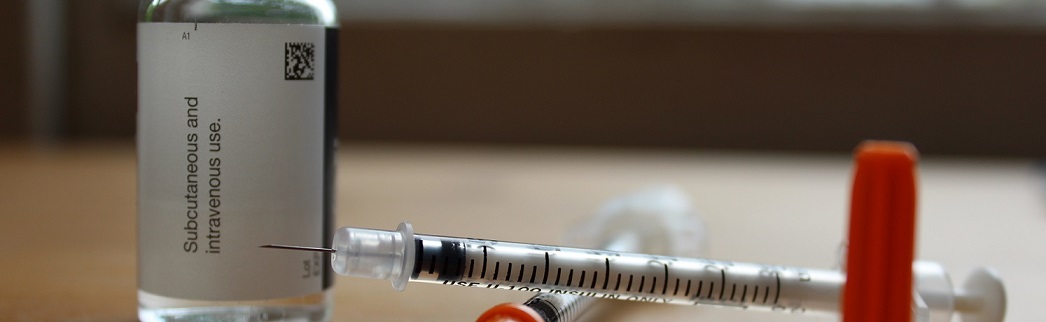
In June 2017, Alec Raeshawn Smith, a 26-year-old restaurant manager and person living with type 1 diabetes in Minnesota, died after rationing his insulin. He could not afford the $1,300 bill for his essential insulin and supplies after aging off his mother’s insurance the month before. Due to the high price of insulin, many people are unable to afford the cost of refilling their prescription; a 2024 T1International survey found that one in 3 people with type 1 diabetes in the United States rationed their insulin in the past year. Alec’s official cause of death was diabetic ketoacidosis. His mother, Nicole Smith-Holt, said at the Eli Lilly shareholder meeting in May 2018, “the unofficial cause of death is slipping through the cracks of our broken health care system and corporate greed.”
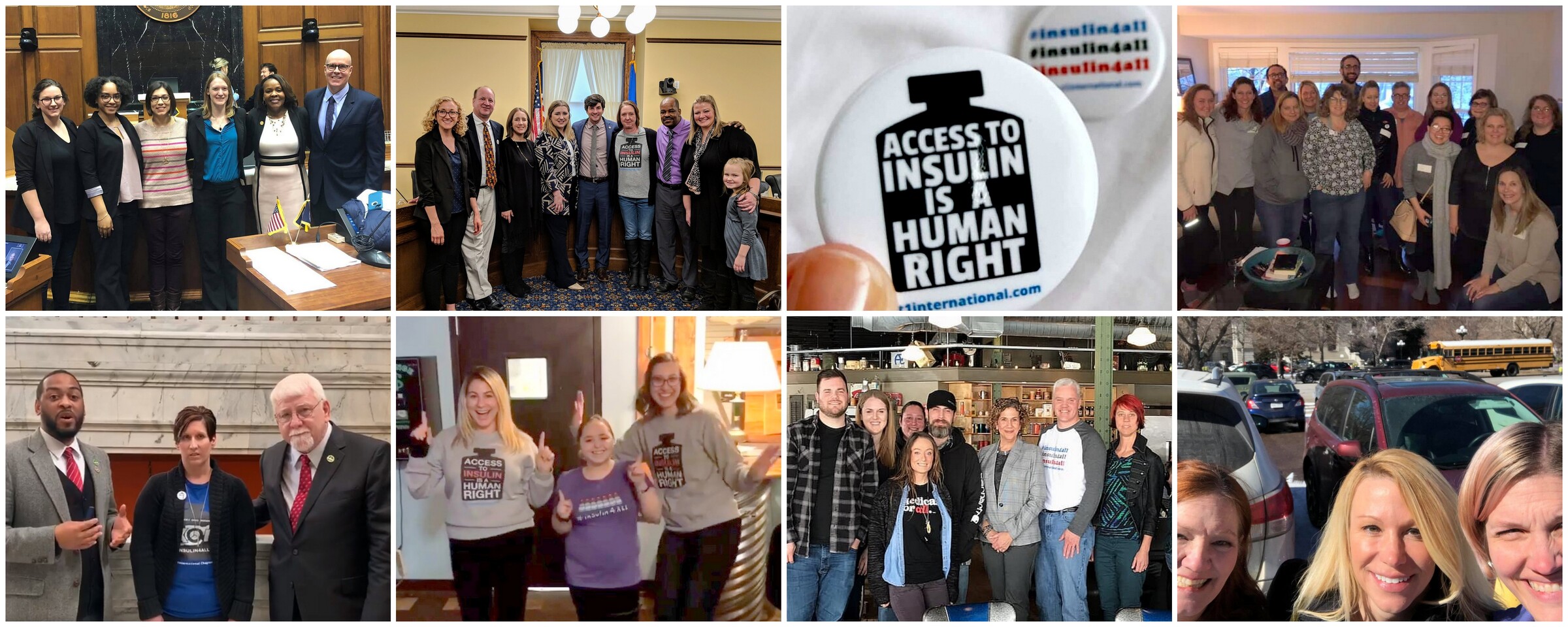
Three years later, Nicole, her family, and T1International’s Minnesota #insulin4all Chapter passed Alec’s Law in Minnesota. This law guaranteed an emergency 30-day supply of insulin to anyone who could not afford it. Pharmaceutical companies sued to block it.Advocates fought back, and the courts upheld the law. Minnesota (opens in a new tab), Colorado (opens in a new tab), Maine (opens in a new tab), and Utah (opens in a new tab) have all now passed versions of Alec’s Law and more than 1,100 Minnesotans used the program to access insulin in its first year alone.
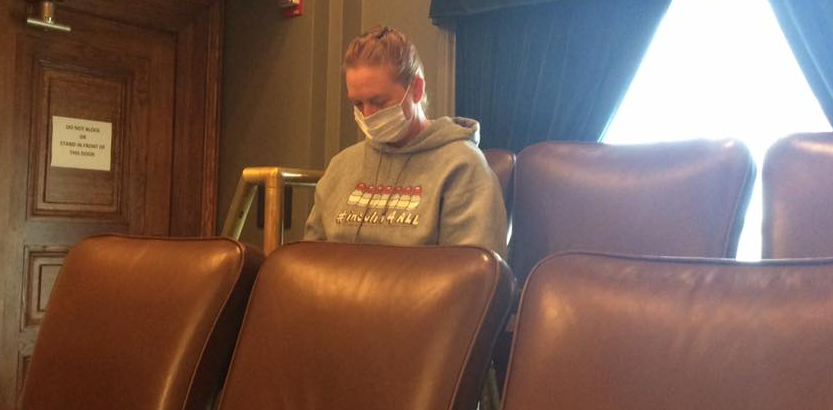
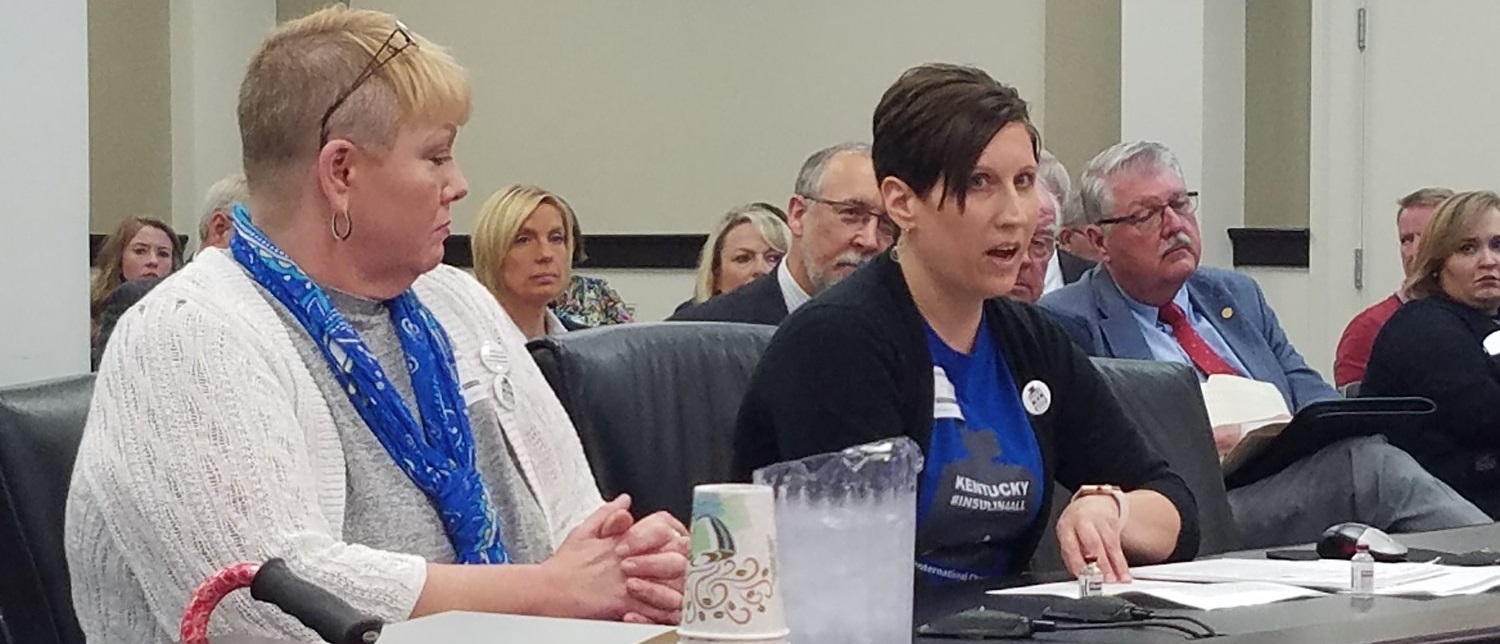
Nicole now serves as T1international’s Ambassador and she continues to lead Families United for Affordable Insulin, a group of families who have lost loved ones to insulin rationing.
If this had existed three years ago, Alec would still be alive.
T1International Ambassador
Alec Smith-Holt’s mother

Toolkits, Trainings, and Other Resources



Alec’s Law on our Blog


Take Action
Share your story of how your life has been been impacted by inaccessible insulin.