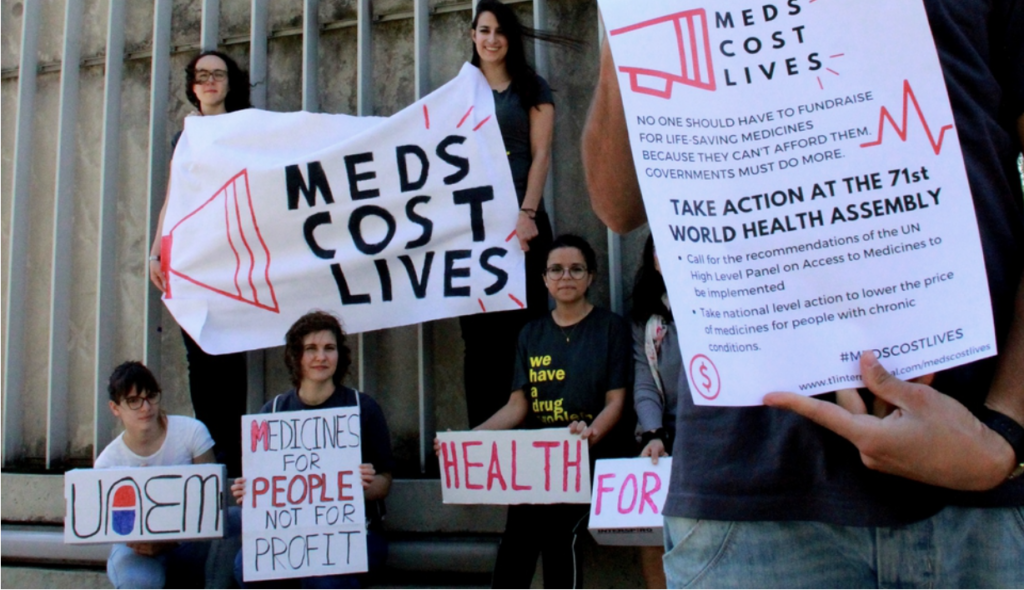
People holding white signs and banners saying Meds Cost Lives

2018 Workshops, Actions, and Campaigns


Meds Cost Lives
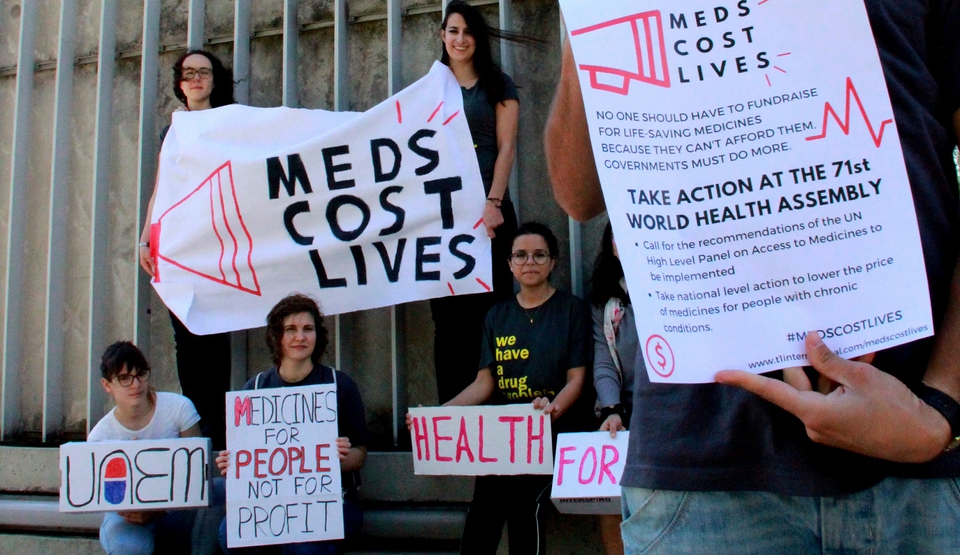
Patients living with chronic conditions have very specific needs. Many must take one (or more) medications every day to stay alive and healthy, yet the prices of these medicines are unaffordable. In Kenya, for example, insulin and diabetes supplies can cost at least 56% (opens in a new tab) of the average monthly salary.

People living with chronic conditions demand affordable access to medication. No one should have to fundraise for the cost of their life-saving medicines or die because they can’t afford them.

This campaign highlights stories of patients living with chronic health conditions that are impacted by high medicine costs in their countries and their insistence that governments take action to lower the price.
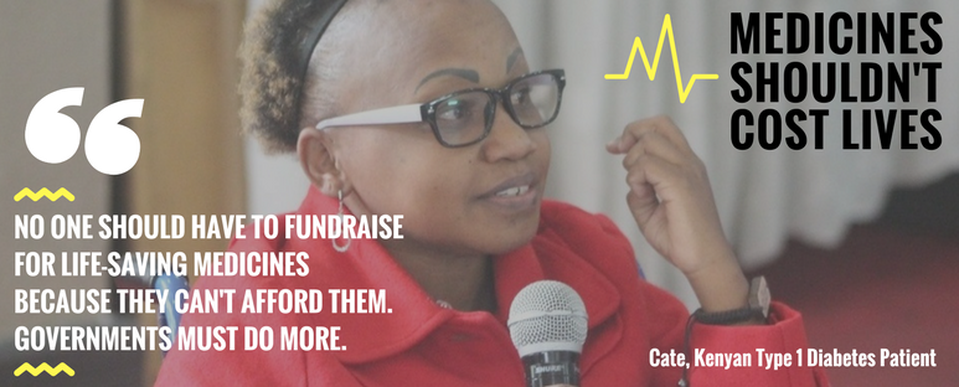
Cate’s Story

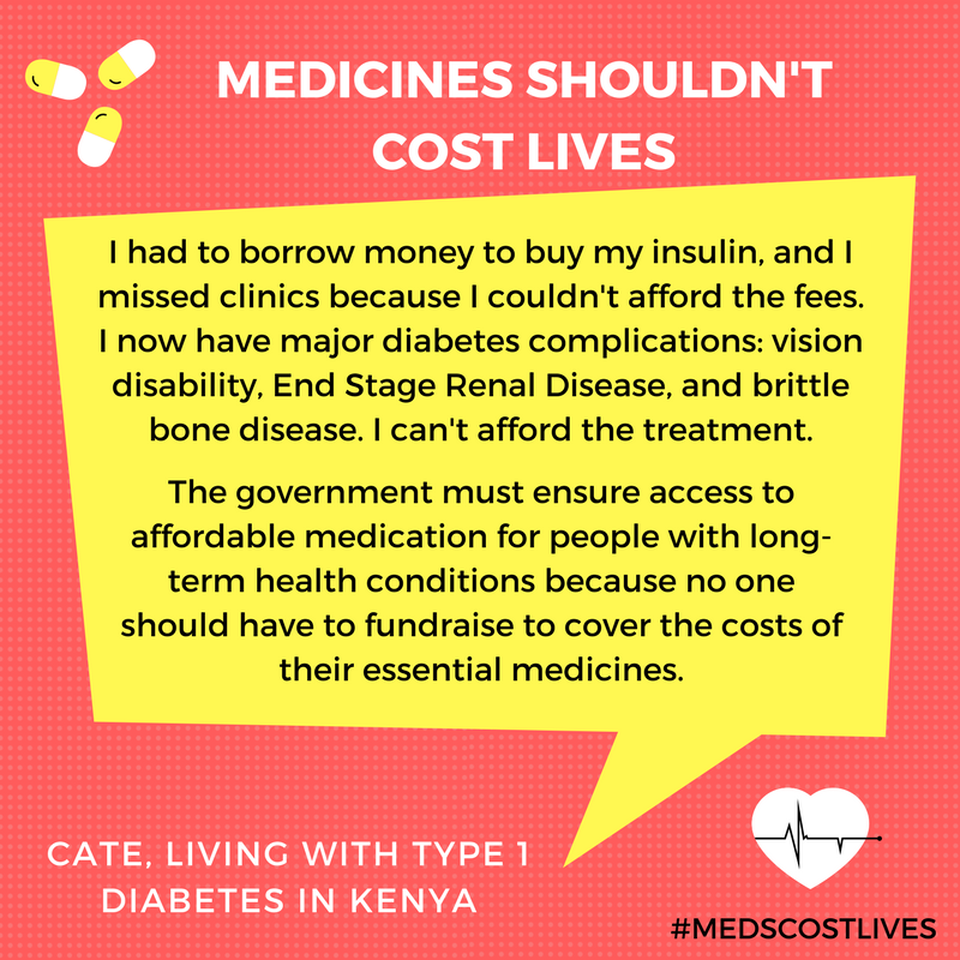
I have been living with type 1 diabetes in Kenya for over 30 years. I grew up with only my mum in one of Nairobi’s biggest ghettos called Dando (Dandora). After my diagnosis at age five, we struggled to afford the costs of my essential medicine and diabetes supplies. At times we had to borrow money to buy my insulin, and I missed my clinics because I couldn’t afford the consultation fees. I came to see that diabetes affects both the rich and the poor.

Today I face some major diabetes complications. I have low vision disability and End Stage Renal Disease (ESRD), which have brought more complications due to kidney failure. I also have what they call brittle bone disease. I have dislocated both my hip joints and must use a wheelchair. 

I am now a single mum myself, and I can no longer work to support my daughter because of my health. Taking care of all these conditions with no personal income is frustrating but I have not lost hope. I am trying to raise enough funds (opens in a new tab) to cover the costs of hip replacement surgery and treatment.

I am not as strong as before, but I made a promise to make the lives of people with diabetes more comfortable. If I don’t get the help I need, at least I know my advocacy will help someone in Kenya with diabetes to get better medical care, affordable diabetic supplies and 100% government support.
Partnered with support from

Share Your Story

The World Health Assembly takes place from 21-26 May and we want to make sure that our voices as patients are heard.

Share your story about living with a chronic health condition:

  1. Tell how you have been impacted by the high costs of medicine
  2. Ask your government to take action to lower the price
Tweet a message to your Health Ministry and ask them to make medicines affordable for people with chronic conditions.

We have sample tweets and twitter accounts below.
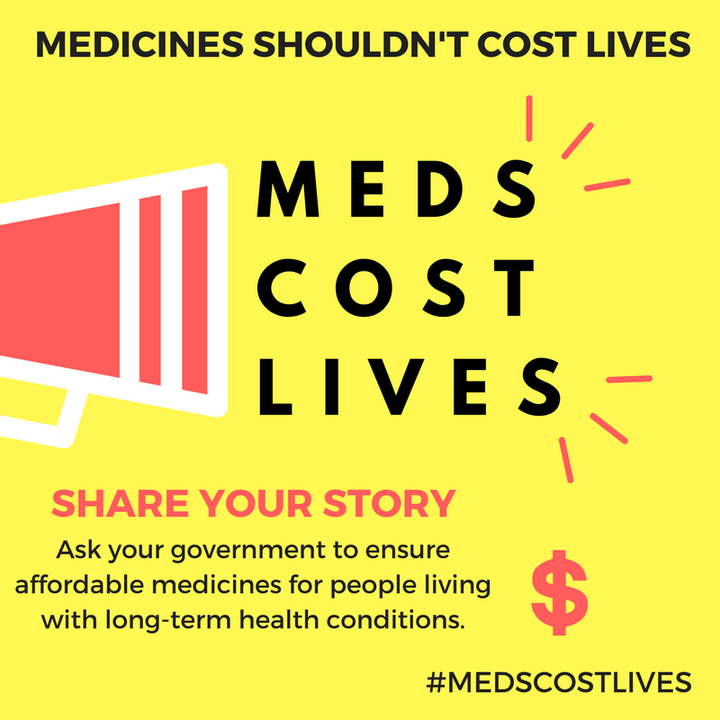
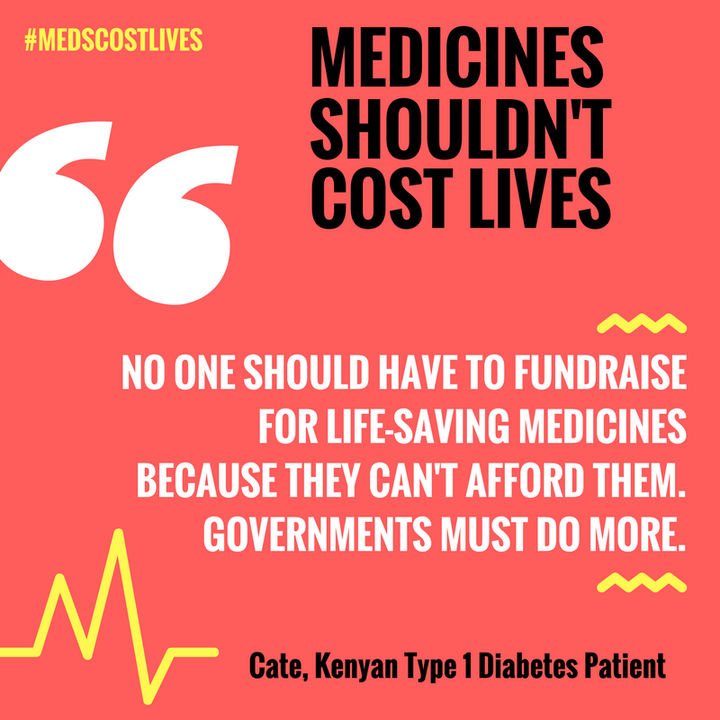
Medicines Shouldn’t Cost Lives, No one should have to fundraise for life-saving medicines because they can’t afford them. Governments must do more. – Cate, Kenyan Type 1 Diabetes Patient

People living with chronic conditions demand affordable access to medication. #MedsCostLives but no one should have to fundraise for the cost of their life-saving medicines or die because they can’t afford them. Tweet this! (opens in a new tab)

In Kenya diabetes costs take up at least 56% of the average monthly salary. No one should have to fundraise for the cost of their essential medicines! Governments must ensure access to affordable medicines for all. #MedsCostLives Tweet this! (opens in a new tab)

Many people living with chronic conditions must take one (or more) medications every day to stay alive and healthy, yet the prices of these medicines are unaffordable. Governments must listen to patients and ensure they have affordable medicine. #MedsCostLives Tweet this! (opens in a new tab)

‘If I don’t get the help I need, at least I know my advocacy will help someone in Kenya with diabetes to get better medical care, affordable diabetic supplies and 100% government support. #MedsCostLives’ – Cate, Kenya Tweet this! (opens in a new tab)

  • @DrTedros Dr. Tedros Adhanom Ghebreyesus, Director General of the World Health Organization
  • @WHO World Health Organization
  • @UN_NCDs UN Taskforce on NCDs

  • @RwandaHealth Ministry of Health Rwanda
  • @Health_ghana Ministry of health Ghana
  • @Fmohnigeria Federal Ministry of Health Nigeria
  • @HealthZA National Department of Health South Africa
  • @MinofHealthUG Ministry of Health Uganda
  • @FMoHealth Ministry of Health Ethiopia
  • @MoHCCZim Ministry of Health Zimbabwe
  • @mohzambia Ministry of Health Zambia
  • @Caafimadka Ministry of Health Somalia
  • @MOH_Kenya Ministry of Health Kenya

  • @MoHFW_INDIA Ministry of Health & Family Welfare India
  • @PMNatHealthProg Prime Minister National Health Program Pakistan
  • @nhsrcpk Ministry of health, government of Pakistan
  • @MoH_mv Ministry of Health Maldives
  • @sporeMOH Singapore Ministry of Health
  • @SaudiMOHMinistry of Health Saudi Arabia
  • @KUWAIT_MOH Ministry of Health Kuwait
  • @minhealthnz Ministry of Health for New Zealand

  • @roinnslainte Department of Health Ireland
  • @DHSCgovuk Department of Health and Social Care England
  • @saude_pt Conta Oficial do Gabinete do Ministro da Saúde Portugal

  • @SenateAging Official account of U.S. Senate Special Committee on Aging
  • @HHSMedia Official account of the public affairs office at the U.S. Department of Health & Human Services (HHS)
  • @SecAzar Alex Azar is the 24th Secretary of the U.S. Department of Health & Human Services 
  • @CDNMinHealth Official account of the Canadian Minister of Health

  • @msalnacion Ministerio de Salud de la Nación Argentina
  • @SSalud_mx Secretaría de Salud Mexico
  • @ministeriosalud Cuenta oficial del Ministerio de Salud del Gobierno de Chile
  • @Minsa_Peru Cuenta oficial del Ministerio de Salud de Peru
  • @msaludcr Ministerio de Salud de Costa Rica
  • @Salud_Ec Ministerio de Salud Pública Ecuador
  • @msaludpy Cuenta oficial del Ministerio de Salud Pública y Bienestar Social del Paraguay
  • @MOH_TT Trinidad and Tobago


Statement Photos:

Send us a landscape portrait image of yourself (like these) with your statement about diabetes access and affordability.
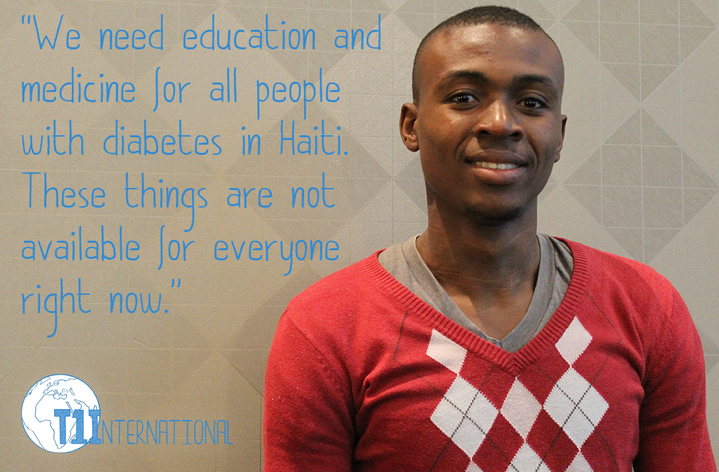
Amos from Haiti says: We need education a medicine for all people with diabetes in Haiti. These things are not available for everyone right now.
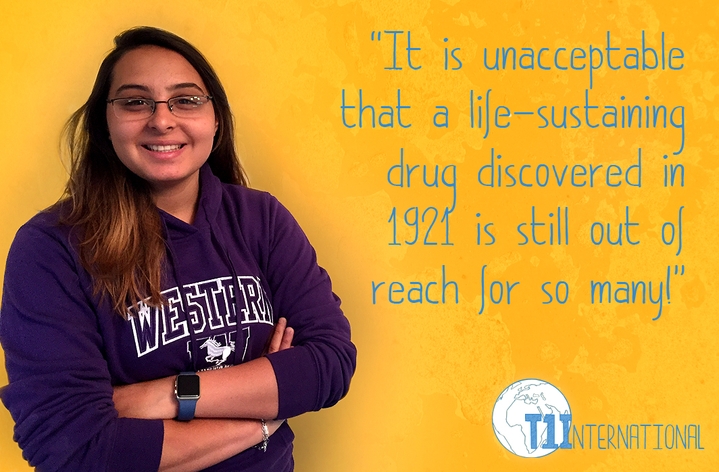
Mariam from Canada says: It is unacceptable that a life-sustaining drug discovered in 1921 is still out of reach for so many!
54d7861274107cb4cf3aa9b933415958
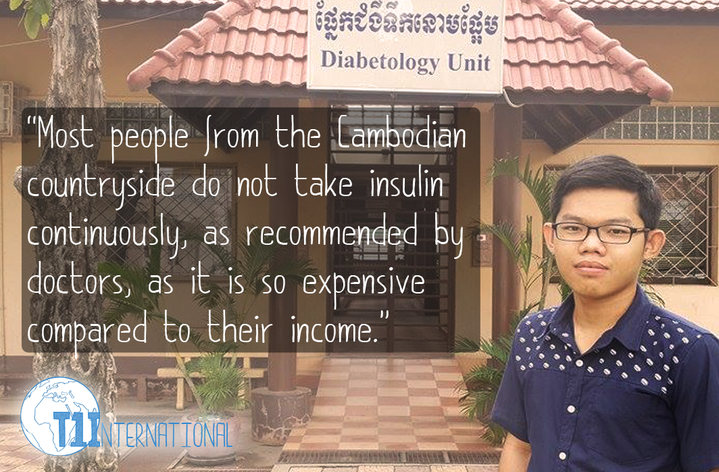
Piseth in Cambodia says: Most people from the Cambodian countryside do not take insulin continuously, as recommended by doctors, as it is so expensive compared to their income.
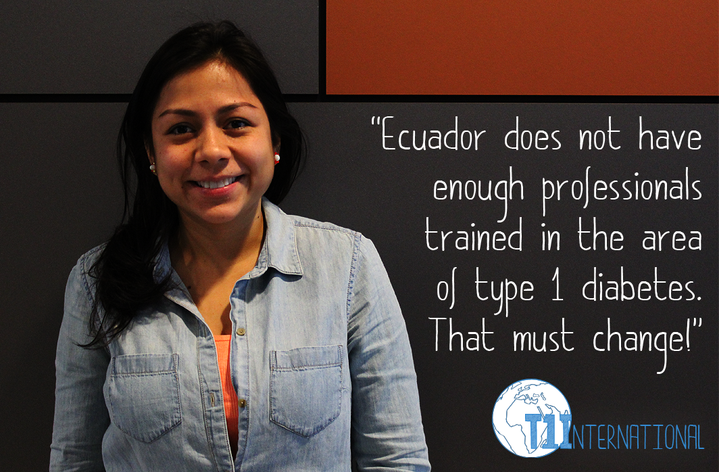
Andrea from Ecuador says: Ecuador does not have enough professionals trained in the area of type 1 diabetes. That must change!
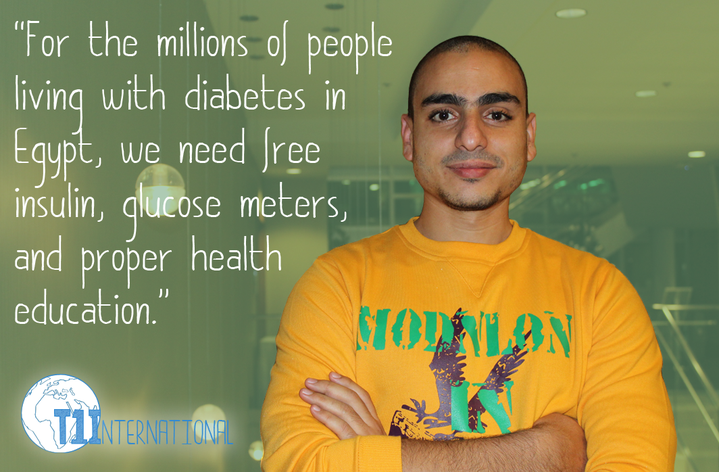
Mohamed in Egypt says: For the millions of people living with diabetes in Egypt, we need free insulin, glucose meters, and proper health education.
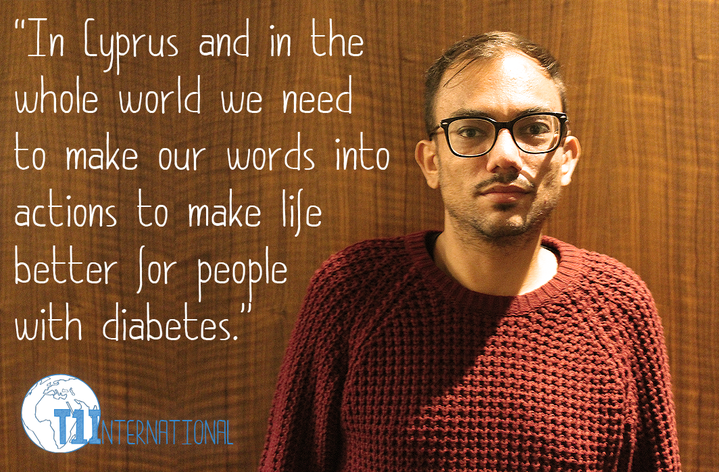
Antonis from Cyprus says: In Cyprus and in the whole world we need to make our words into actions to make life better for people with diabetes.
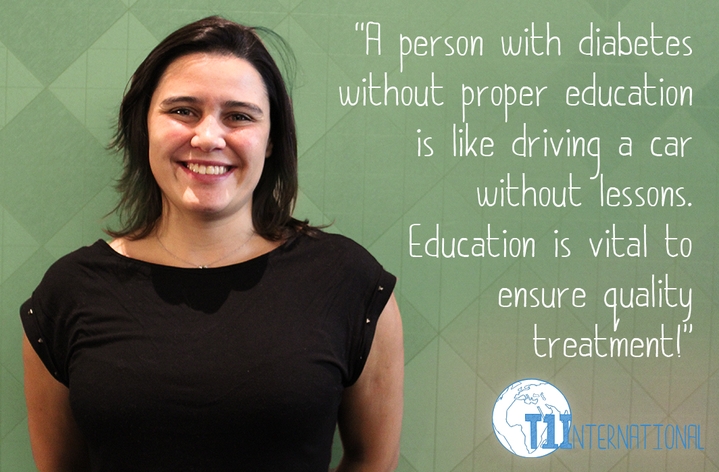
Alexandra from Portugal says: A person with diabetes without proper education is like driving a car without lessons. Education is vital to ensure quality treatment!
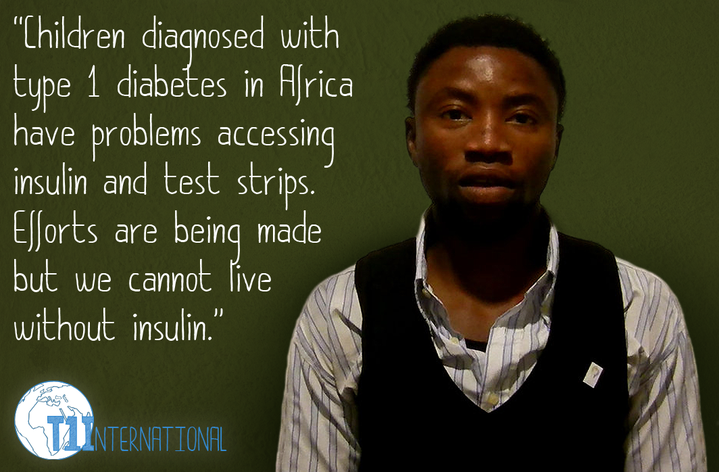
Lamin in Gambia says: Children diagnosed with type 1 diabetes in Africa have problems accessing insulin and test strips. Efforts are being made but we cannot live without insulin.
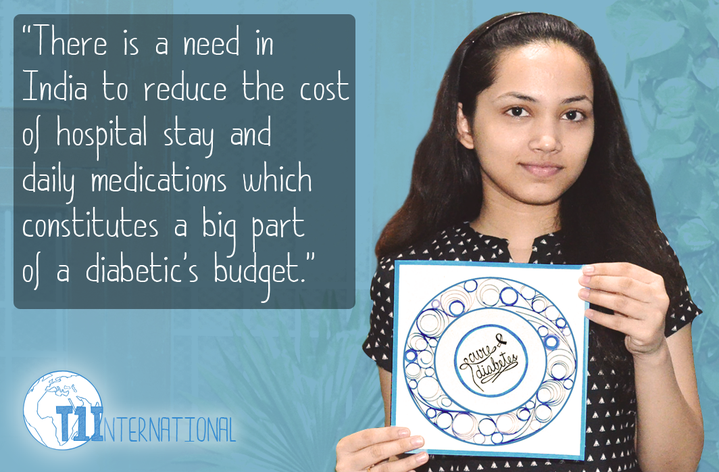
Reetika in India says: There is a need in India to reduce the cost of hospital stay and daily medications which constitutes a big part of a diabetic’s budget.
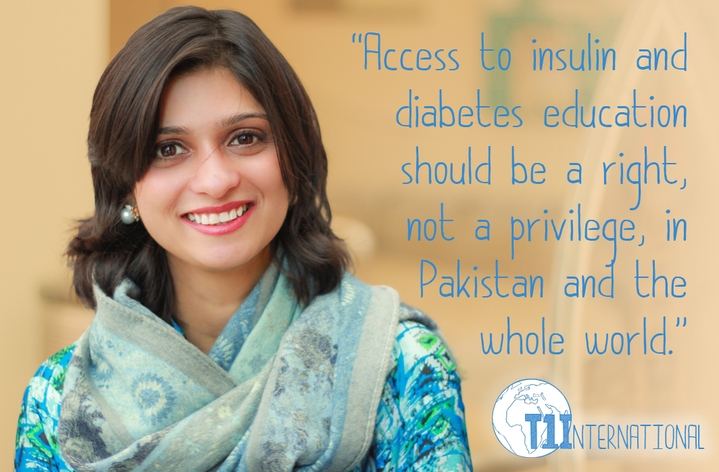
Sana in Pakistan says: Access to insulin and diabetes education should be a right, not a privilege, in Pakistan and the whole world.
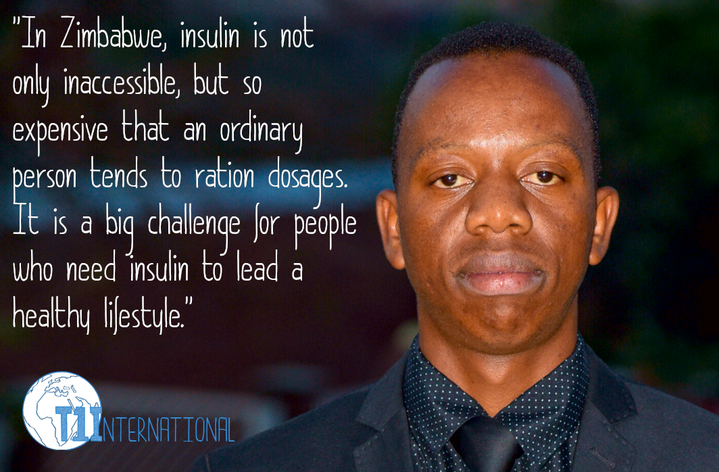
Tinotenda in Zimbabwe says: In Zimbabwe, insulin is not only inaccessible, but so expensive that an ordinary person tends to ration dosages. It is a big challenge for people who need insulin to lead
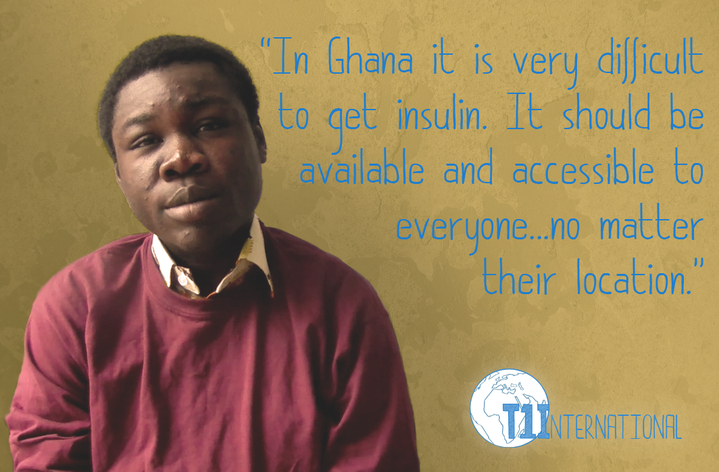
Fred in Ghana says: In Ghana it is very difficult to get insulin. It should be available and accessible to everyone…no matter their location.
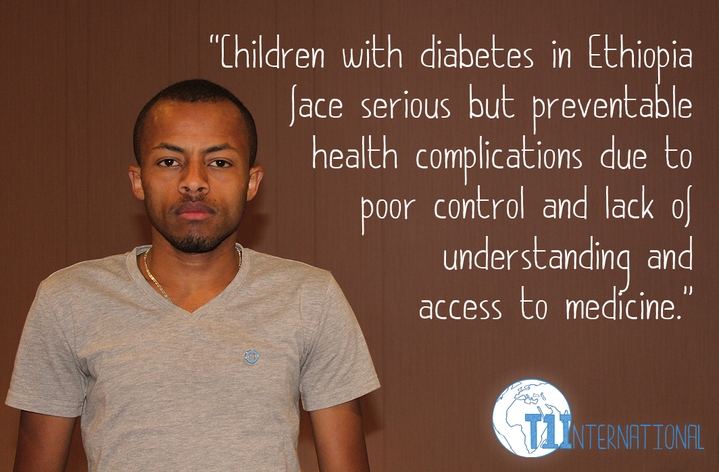
Tsegamlak in Ethiopia says: Children with diabetes in Ethiopia face serious but preventable health complications due to poor control and lack of understanding and access to medicine.
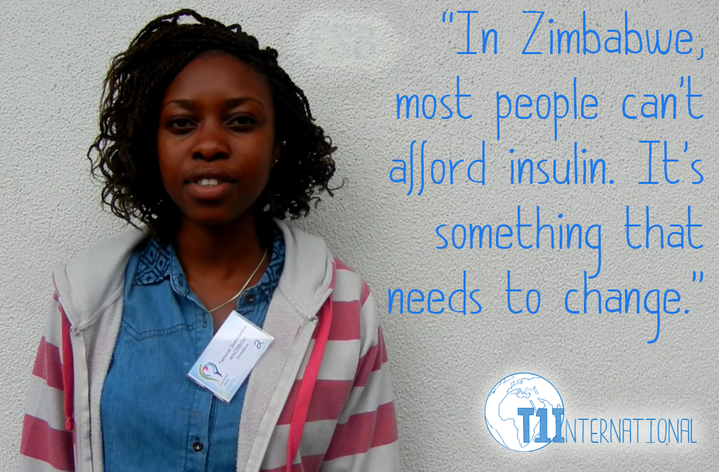
Yemurai in Zimbabwe says: In Zimbabwe most people can’t afford insulin. It’s something that needs to change.
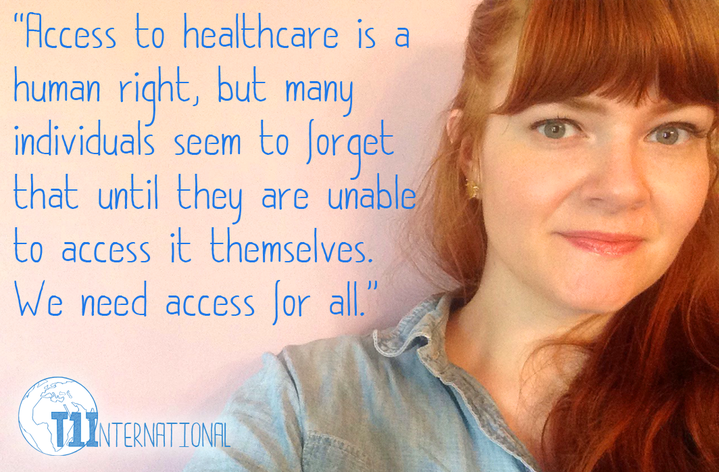
Erin in the USA says: Access to healthcare is a human right, but many individuals seem to forget that until they are unable to access it themselves. We need access for all.
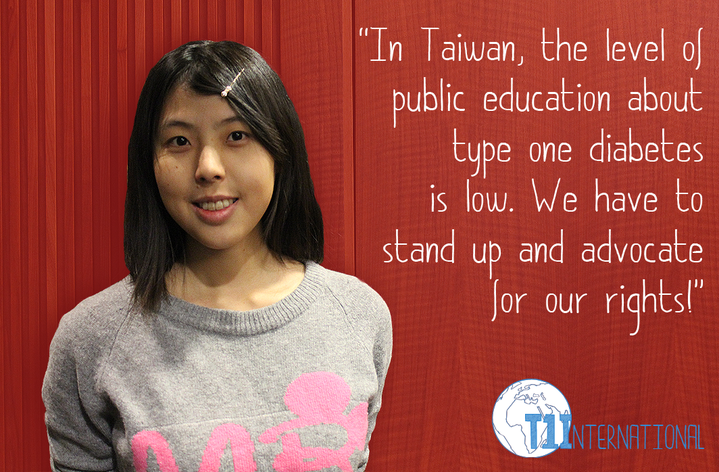
Irene in Taiwan says: In Taiwan, the level of public education about type one diabetes is low. We have to stand up and advocate for our rights!
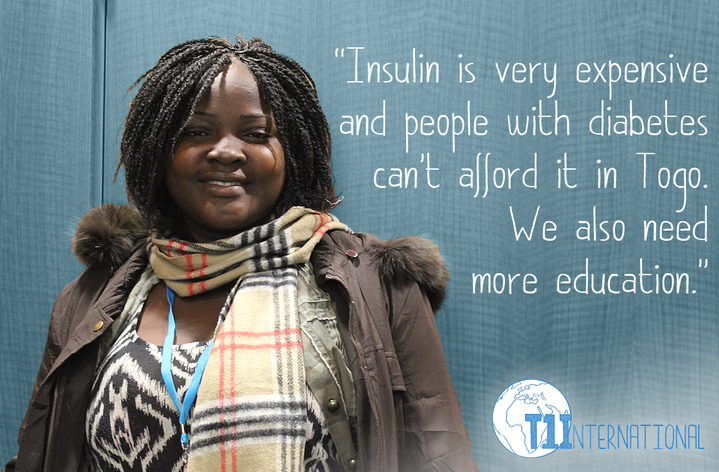
Koko in Togo says: Insulin is very expensive and people with diabetes can’t afford it in Togo. We also need more education.
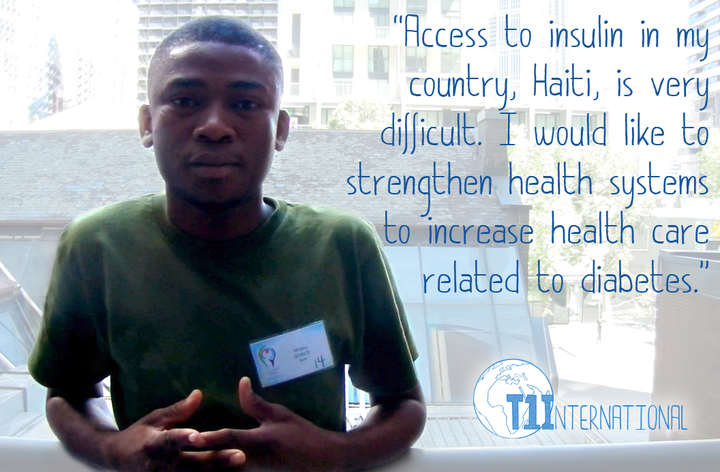
Widney in Haiti says: Access to insulin in my country, Haiti, is very difficult. I would like to strengthen health systems to increase health care related to diabetes.
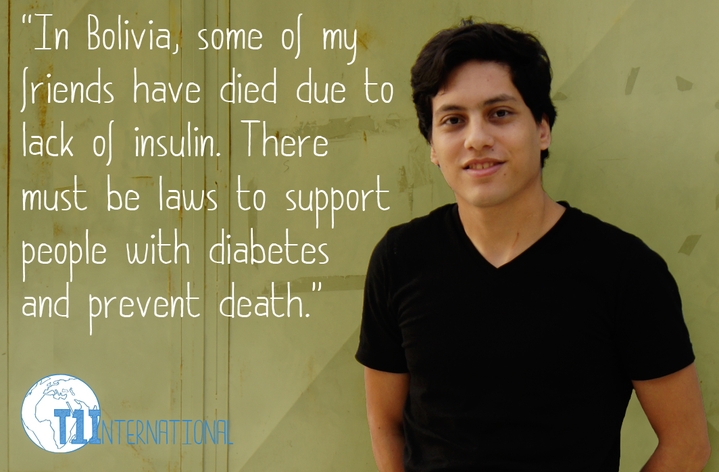
Natan in Bolivia says: In Bolivia, some of my friends have died due to lack of insulin. There must be laws to support people with diabetes and prevent death.
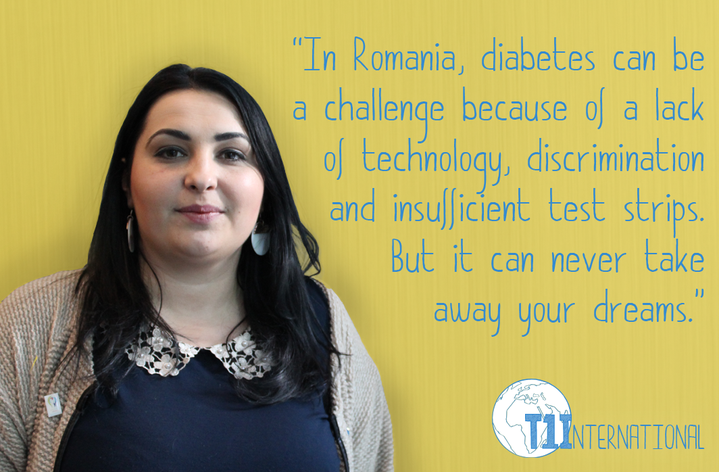
Cristina in Romania says: In Romania, diabetes can be a challenge because of a lack of technology, discrimination and insufficient test strips. But it can never take away your dreams.
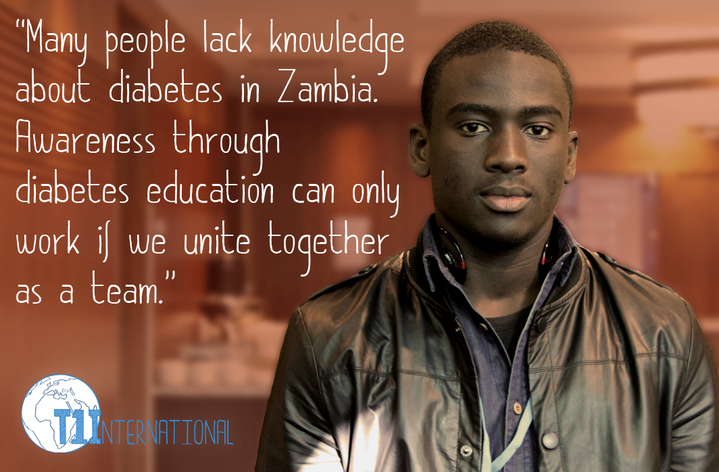
Chipimo in Zambia says: Many people lack knowledge about diabetes in Zambia. Awareness through diabetes education can only work if we unite together as a team.
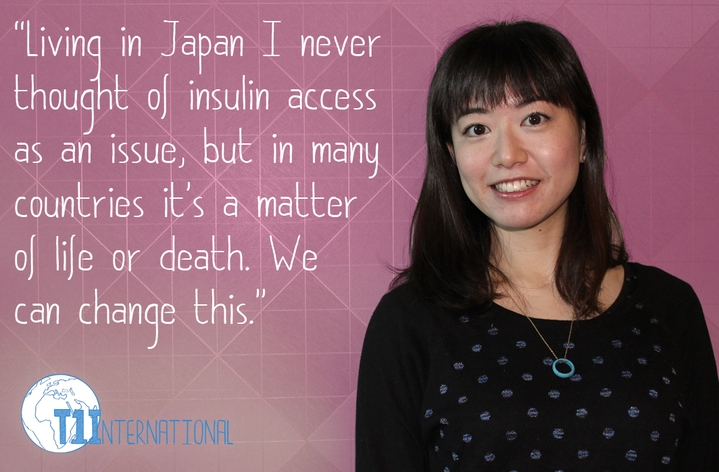
Hisako in Japan says: Living in Japan I never thought of insulin access as an issue, but in many countries it’s a matter of life or death. We can change this.
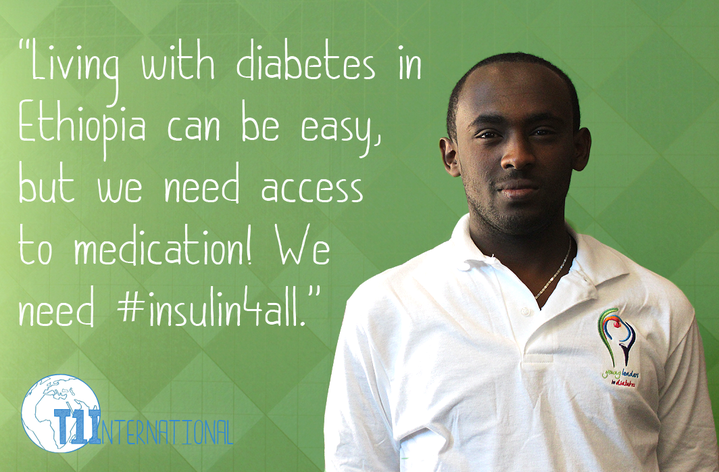
Jonas in Ethiopia says: Living with diabetes in Ethiopia can be easy, but we need access to medication! We need #insulin4all.
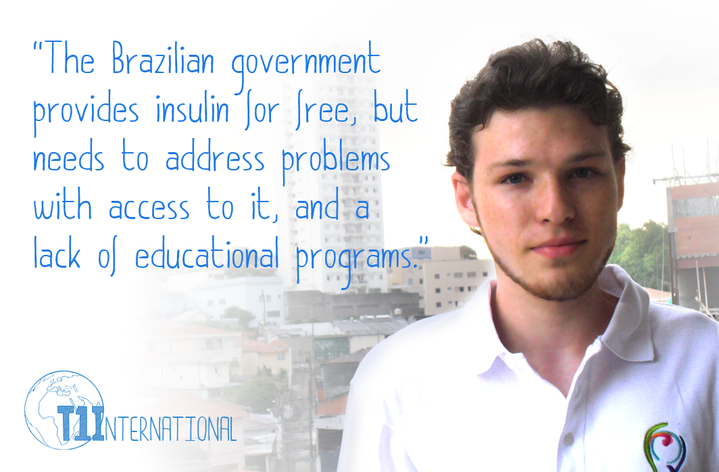
Ronaldo in Brazil says: The Brazilian government provides insulin for free, but needs to address problems with access to it, and a lack of educational programs.
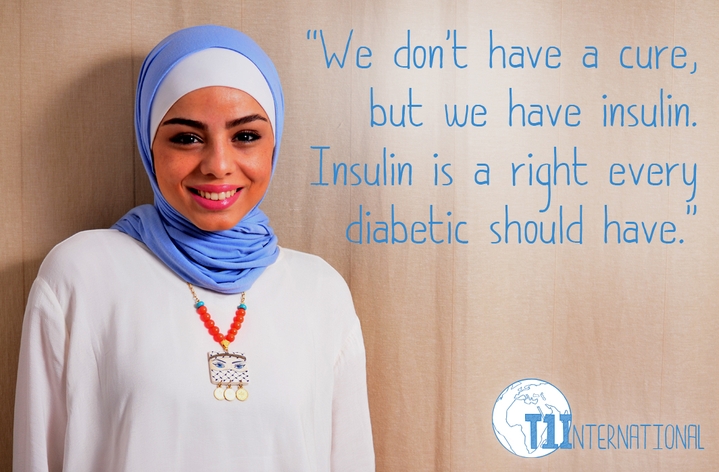
Yassmin in Jordan says: We don’t have a cure, but we have insulin. Insulin is a right every diabetic should have.
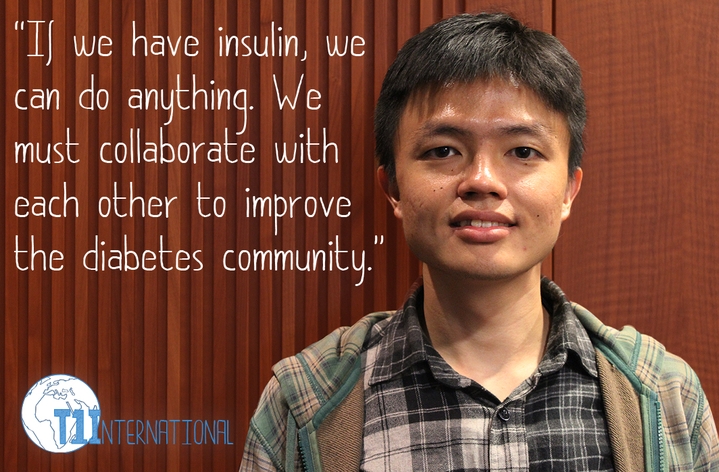
Gianni in Taiwan says: If we have insulin, we can do anything. We must collaborate with each other to improve the diabetes community.
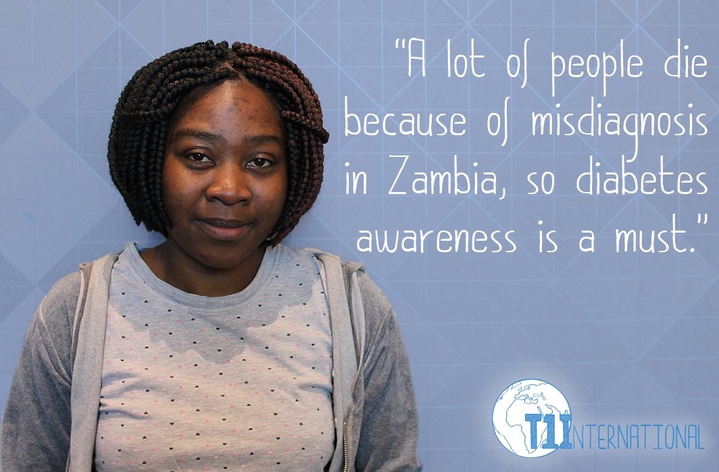
Florence in Zambia says: A lot of people die because of misdiagnosis in Zambia, so diabetes awareness is a must.
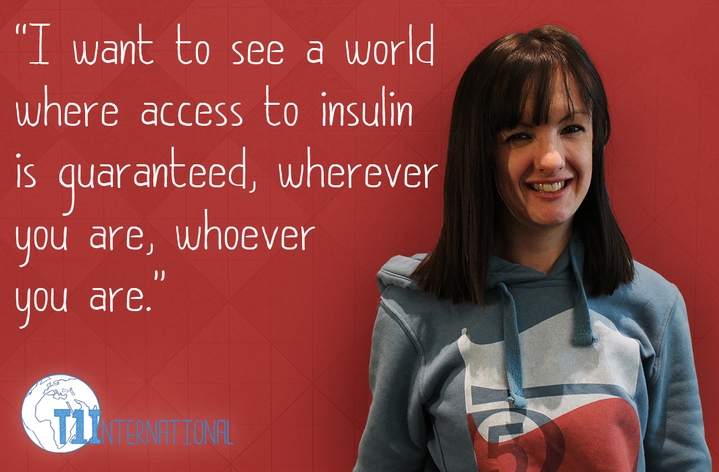
Louise in the UK says: I want to see a world where access to insulin is guaranteed, wherever you are, whoever you are.
Mohamed in Egypt says: For the millions of people living with diabetes in Egypt, we need free insulin, glucose meters, and proper health education.
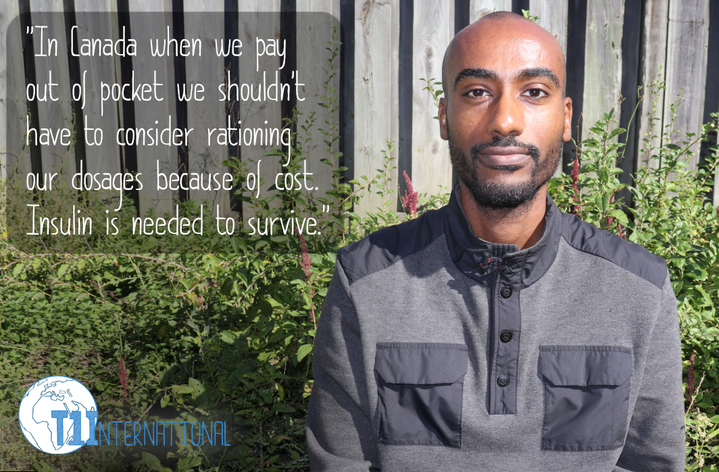
In Canada when we pay out of pocket we shouldn't have to consider rationing our dosages because of cost. Insulin is needed to survive.
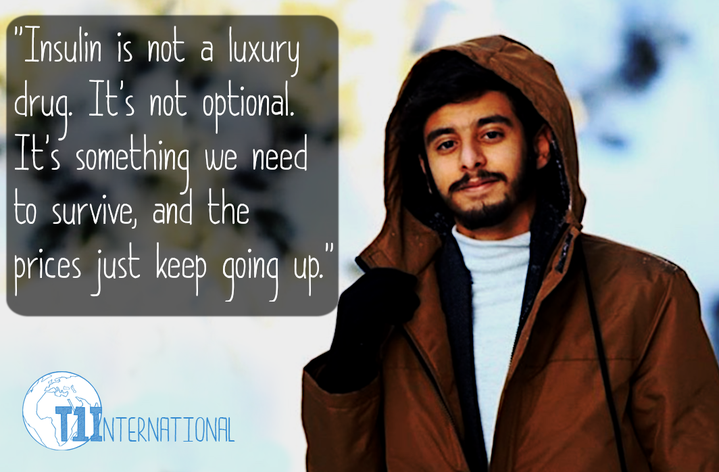
Advocate with quote “Insulin is not a luxury drug. It’s not optional. It’s something we need to survive, and the prices just keep going up.”
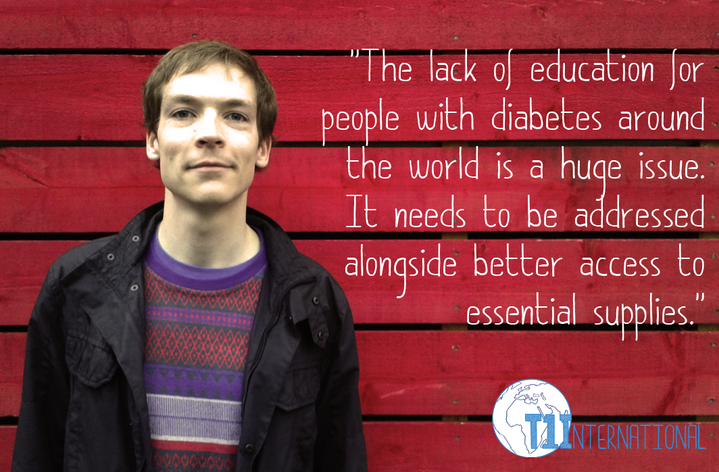
Advocate with quote “The lack of education for people with diabetes around the world is a huge issue. It needs to be addressed alongside better access to essential supplies.”
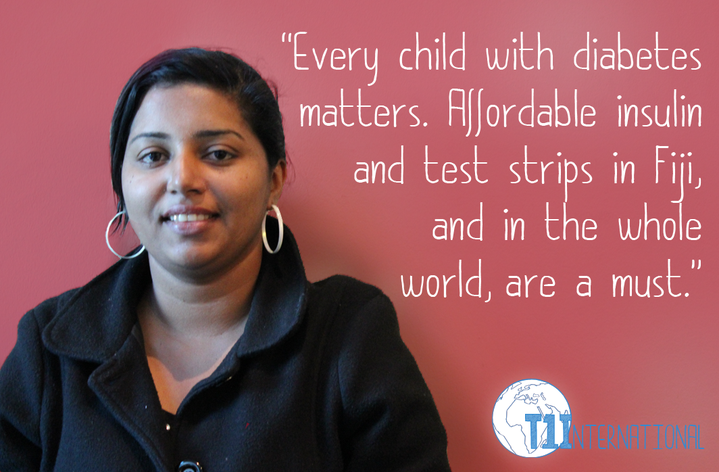
Shivanjani in Fiji says: Every child with diabetes matters. Affordable insulin and test strips in Fiji, and in the whole world, are a must.
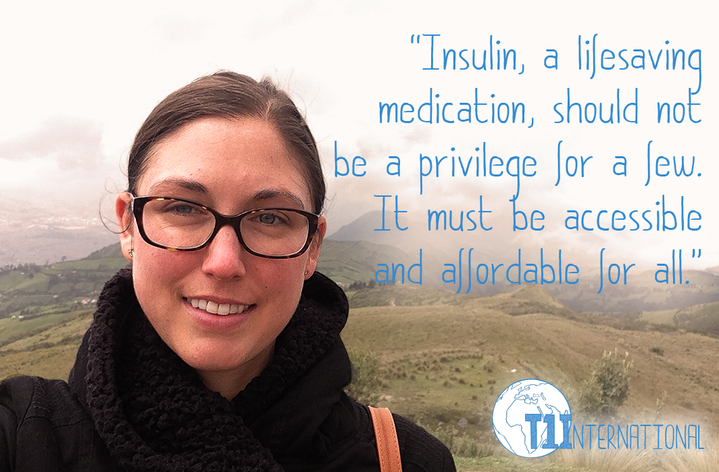
Advocate with quote “Insulin, a lifesaving medication, should not be a privilege for a few. It must be accessible and affordable for all.”
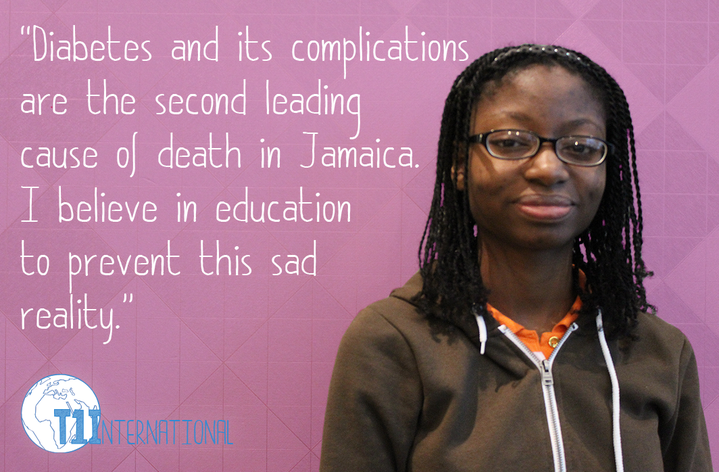
Peidra in Jamaica says: Diabetes and its complications are the second leading cause of death in Jamaica. I believe in education to prevent this sad reality.
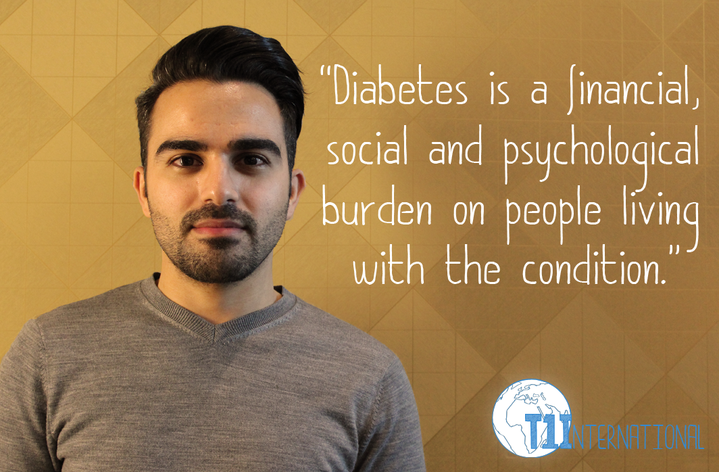
Moh in Kuwait says: Diabetes is a financial, social and psychological burden on people living with the condition.
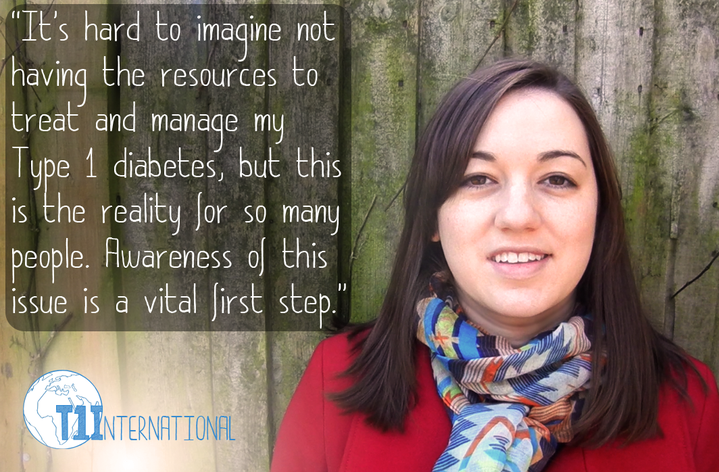
Founder Elizabeth Pfiester with quote “It’s hard to imagine not having the resources to treat and manage my Type 1 diabetes, but this is the reality for so many people. Awareness of this issue is a vital first step.”
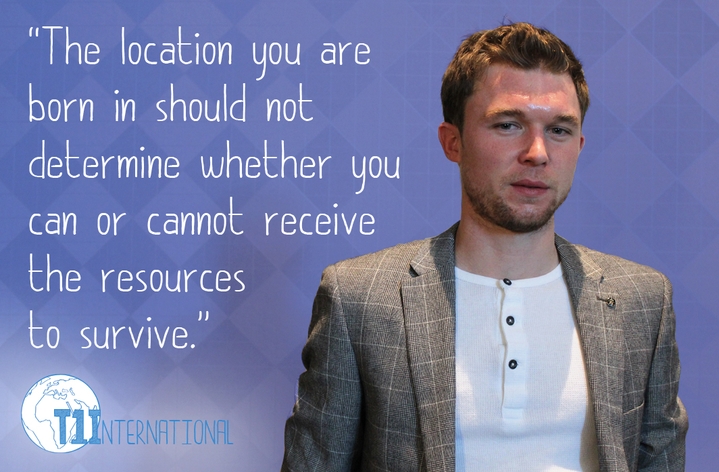
Advocate with quote “The location you are born in should not determine whether you can or cannot receive the resources to survive.”
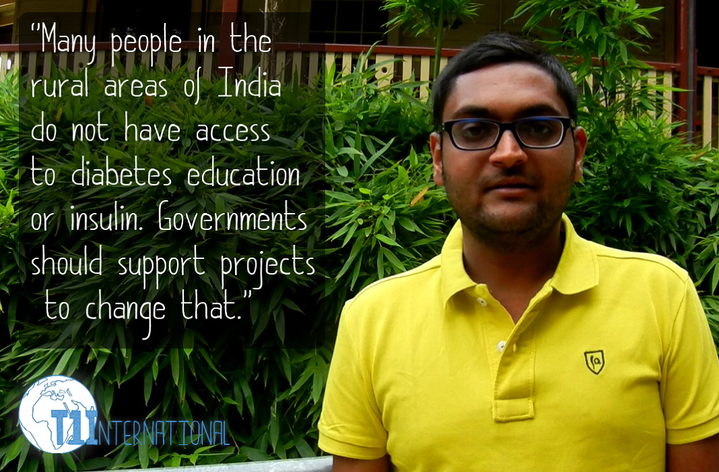
Binit in India says: Many people in the rural areas of India do not have access to diabetes education or insulin. Governments should support projects that change that.

Stay up to date with our Newsletter

Campaign wins, new resources, and ways to take action — straight to your inbox every month.